Homebuyers
Did Someone Die in the Home You Want to Buy? Here’s How to Find Out
October 31, 2025
After house hunting for months, you’ve finally found it: a charming home on a quiet street, the kind with a front porch swing and picture-perfect hydrangeas. Even better, the price is just right.
Then a neighbor mentions, almost in passing, that someone once died there.
Those kinds of revelations can raise all kinds of questions for homebuyers about the history of the property and what you’re legally entitled to know. Whether it’s a death, a crime, or another unsettling event, the truth is that sellers’ disclosure obligations vary widely across the country.
“When people shop for a home, they usually focus on things like schools, neighborhood safety, and flood zones,” said Roy Condrey, founder of the website DiedinHouse.com. “But almost no one thinks to ask if someone has ever died in the house.”
“Yet for many buyers, that kind of history can completely change how they feel about living there or even affect the property’s future value,” he said.
Homes where someone was murdered often sell for less than market value. They may also come with a host of problems that buyers may not be anticipating.
Here’s what every homebuyer should know about uncovering a property’s history before they close.
Do homebuyers have a right to know if someone was killed in a home?
Much to the surprise of many buyers, there is no federal law requiring sellers to disclose if a home has been linked to a death, murder, or violent crime.
These homes are what the real estate industry calls “stigmatized properties.” They are residences that are not physically defective but might make buyers uneasy for psychological reasons.
Despite the creep factor, only a few states require disclosure of such events. In most of the country, sellers are under no obligation to bring them up unless directly asked.
Some states even have statutes that specifically exempt deaths and crimes from disclosure requirements, reasoning that they do not materially affect the property’s structure or safety.
Here’s a breakdown of the states with death or crime disclosure laws when buying or selling a home:
California: Sellers must disclose any death (natural, accidental, or homicide) that occurred on the property within the past three years. If asked, they must answer truthfully about deaths beyond that period.
Alaska: The state requires disclosure of a murder or suicide if it happened within one year of sale.
South Dakota: The state requires disclosure of any homicide, suicide, or felony committed on the property within 12 months.
Delaware, Georgia, New Hampshire, New Jersey, South Carolina, Connecticut: These are “ask-and-answer” states. Sellers must respond truthfully if the buyer asks about deaths or crimes.
In the following states, even if you ask directly, the seller is not legally required to disclose deaths, suicides, or crimes that occurred on the property:
Texas: There is no duty to disclose deaths from natural causes, suicide, or accidents unrelated to property condition. Disclosures are required if a death relates to a structural defect.
Florida: Deaths, suicides, or crimes are not considered “material facts” under state law. No disclosure required.
Virginia, Maryland, Missouri, Arizona: There is no requirement. Sellers and real estate agents are not liable for nondisclosure of deaths or crimes.
New York: No disclosure is required. Deaths or crimes are not considered material conditions under state property law.
Why homebuyers should care if someone died on a property
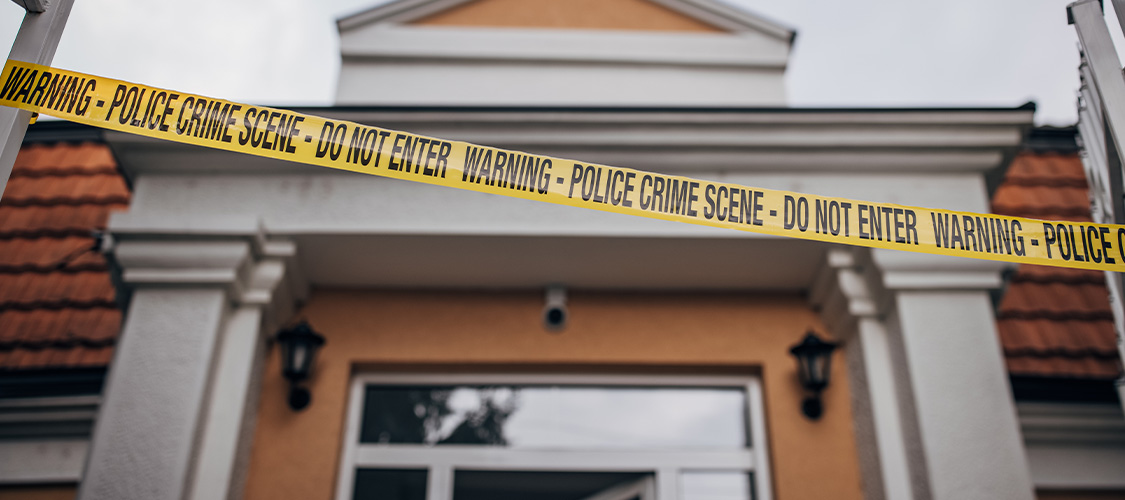
Homes tied to violent incidents can stay on the market longer and may sell for less when it’s your turn to list. In some instances, a crime or death can affect resale value by narrowing the pool of interested buyers.
Even buyers who aren’t superstitious may want to know about a property’s darker history.
“Some wouldn’t feel comfortable living where any death occurred, even a natural one,” said Condrey. “Others are fine with peaceful deaths but want to avoid properties linked to tragic events.”
Homes where someone was murdered may sell for 10% to 25% under market value, Randall Bell, CEO of Landmark Research Group, previously told New American Funding. Bell appraised the JonBenét Ramsey home, the condo where Nicole Brown Simpson and Ron Goldman were killed, and Jeffrey Epstein’s homes.
If the crime received a lot of attention, the home may attract lookie-loos who stop by and take photos, ring the doorbell and ask for a tour, or even try to sneak in.
Buyers may want to be aware of these potential hassles before going under contract.
Should you ask if someone was killed in a home?

Even in states that don’t require home sellers to volunteer whether someone died on the property, many have “ask-and-answer” rules. That means if a buyer raises the issue directly, the seller or their agent must respond truthfully.
It’s best to make the inquiry explicit and in writing, either during the offer process or as part of your due diligence period.
Phrasing it clearly (“Are you aware of any deaths, homicides, or violent crimes that occurred on this property?”) helps establish a record and ensures the question can’t be brushed aside.
How to investigate if someone died on a property
If you still want more certainty or just peace of mind that nothing unsavory happened in your home-to-be, there are several ways to check an address’s past.
Search public records: County court databases and online property records can reveal whether criminal proceedings, police incidents, or lawsuits were ever associated with the address.
Check local news archives: A quick search in a newspaper database, local library archive, or Google News using the address or street name may uncover reports of past events.
Request information from police: Some departments allow residents to request “calls for service” records that show every time officers were dispatched to an address.
Ask neighbors: Longtime residents are often a valuable source of information. Make sure to approach the topic respectfully.
Use specialized databases: Paid services such as DiedInHouse.com compile data from public records and news sources to identify possible deaths linked to a property.
What sellers and agents can (and can’t) disclose about a home for sale

In states without explicit disclosure requirements, sellers often have the discretion to decide what they share about a property’s history. Many opt to stay silent to avoid damaging their listing’s reputation.
In those states, real estate professionals are usually protected from liability if they do not disclose information.
In jurisdictions where disclosures are required—such as California, Alaska, or South Dakota—agents are obligated to ensure that any known event covered by the statute is reported on the seller’s disclosure form.
Since rules differ, buyers should always verify with the state’s real estate commission or consumer protection website for guidance before assuming disclosures are automatic.
Knowing the full story of a home may give you leverage to negotiate a lower price or request concessions that may save you money. What you don’t want is to learn the truth after closing, when your options are limited.
Author




 Smart Moves Start Here.